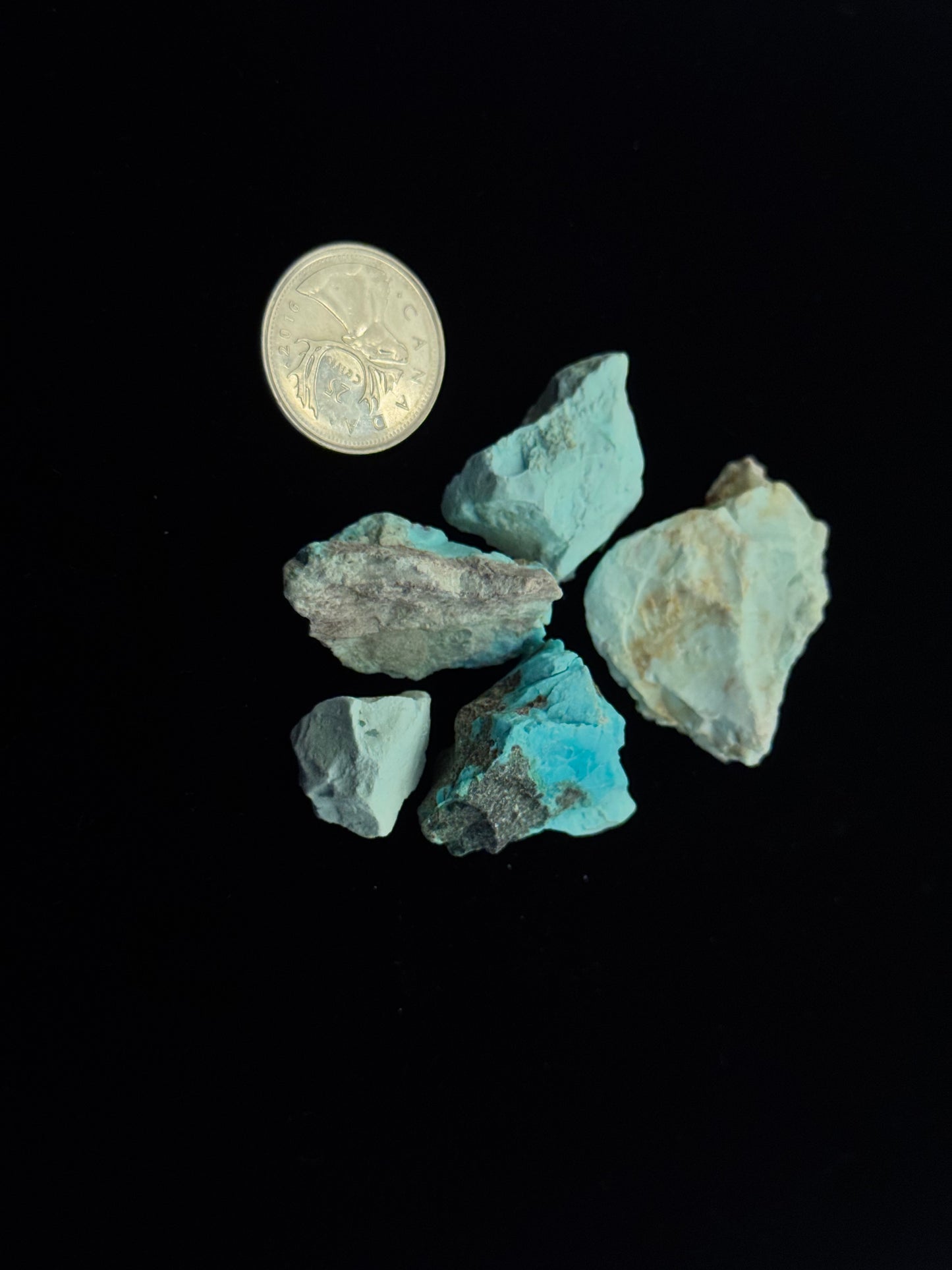


Turquoise tumble
Turquoise tumble
Couldn't load pickup availability
Natural Turquoise – Small Specimen Pieces
These hand-selected turquoise fragments showcase a variety of natural patterns, from clean, solid colors to those featuring intricate host-rock matrix. Each piece is unique, offering a connection to the desert landscapes from which they were unearthed.
Product Overview
Turquoise is a hydrated phosphate of copper and aluminum, a combination that gives it its distinct color profile. These small pieces are perfect for artisans looking for inlay material, wire-wrapping specimens, or collectors who appreciate the raw, unpolished form of this classic gemstone.
Origin & Location
-
Source: Sourced from premier mines in the Southwestern United States (Arizona and Nevada) and Persia (Iran), regions world-renowned for producing the highest quality turquoise for centuries.
-
Geology: Formed as a secondary mineral in the weathering zones of aluminum-rich sedimentary or volcanic rocks.
Specifications
-
Material: Natural Turquoise.
-
Hardness: 5 to 6 on the Mohs scale.
-
Luster: Waxy to sub-vitreous.
-
Color: Ranges from bright "Robin's Egg" blue to deep, earthy teals and greens.
Key Features
-
Natural Matrix: Many pieces feature a beautiful matrix of chocolate-brown limonite or black manganese, creating a "spiderweb" effect that proves the stone's natural origin.
-
Artisanal Quality: Ideal size for precision lapidary work, including small cabochons, inlay, or delicate silver smithing.
-
Historical Significance: A staple of Southwestern and Middle Eastern culture, turquoise has been used in protective amulets and ceremonial jewelry for over 3,000 years.
-
Untreated Beauty: These pieces are selected for their natural stability and color, providing an authentic alternative to dyed or synthetic imitations.
Important Notes
Turquoise is a porous stone and can be sensitive to chemicals. To preserve its color and luster, avoid exposing your pieces to oils, perfumes, or harsh cleaning agents. To clean, simply wipe with a soft, dry cloth. Prolonged exposure to intense heat or direct sunlight may also affect the stone's moisture content and color.
Share