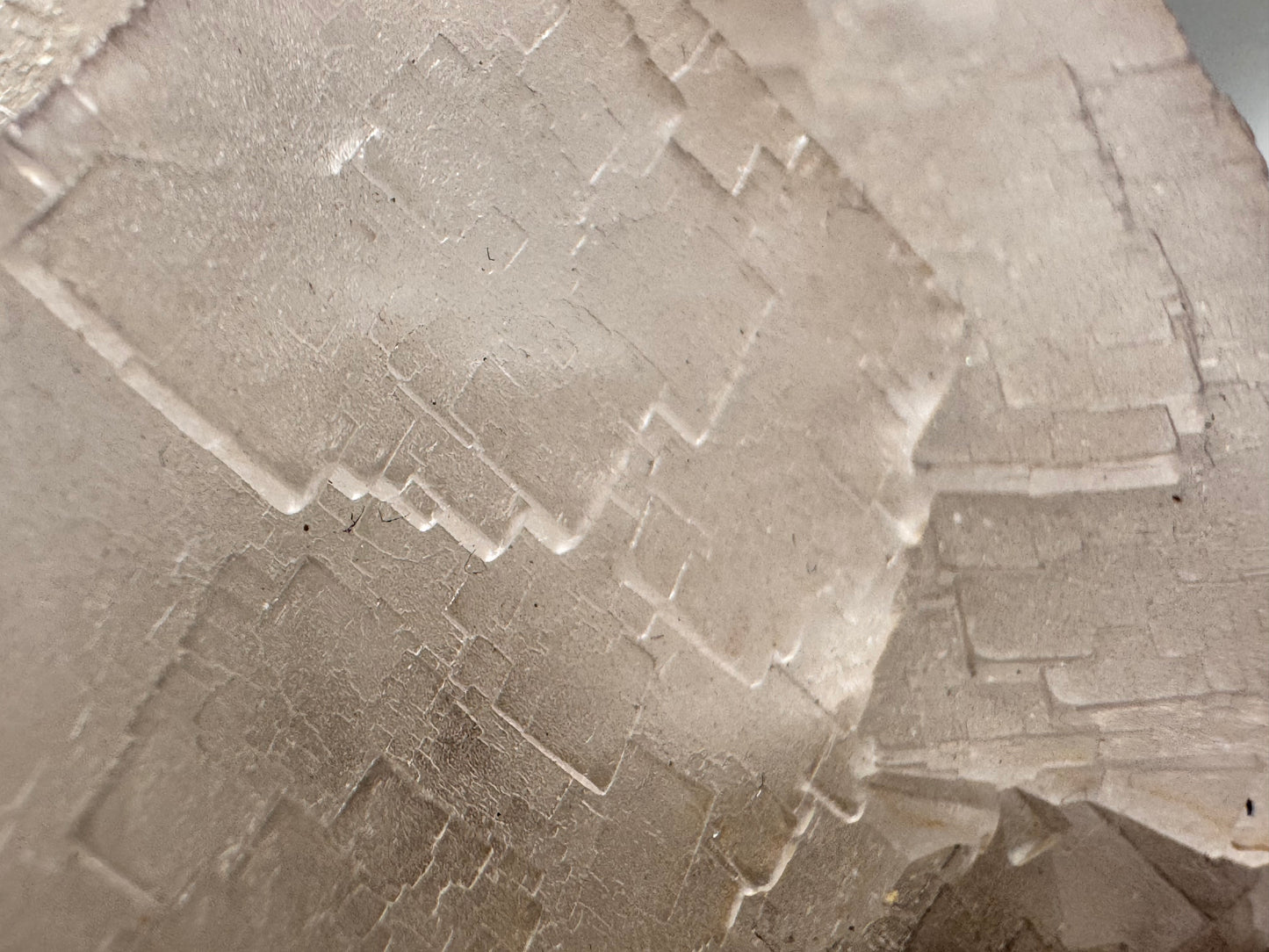


Dogtooth calcite fluorite cluster
Dogtooth calcite fluorite cluster
Couldn't load pickup availability
Product Overview
This striking mineral specimen features a dramatic association of dogtooth calcite crystals nestled upon a bed of vibrant fluorite. The "dogtooth" habit is characterized by sharp, scalenohedral calcite crystals that resemble the canines of a dog, creating a jagged and highly architectural aesthetic. Contrasting with the geometric precision of the calcite, the fluorite base provides a colorful, crystalline matrix that enhances the overall depth and visual complexity of the cluster. This piece is an exceptional example of hydrothermal mineral growth.
Origin & Location
-
Primary Mineral: Dogtooth Calcite (Scalenohedral habit)
-
Associated Mineral: Fluorite
-
Common Localities: Often sourced from high-quality deposits in Mexico (Santa Eulalia) or locally within British Columbia, such as the Rock Candy Mine.
-
Geological Formation: Typically formed in hydrothermal veins or limestone cavities where mineral-rich fluids cool and crystallize over long periods.
Specifications
-
Weight:
-
Dimensions: roughly 10 inches across
-
Luster: Vitreous (glassy) to Pearly
-
Transparency: Translucent Calcite with soft purple Fluorite
Key Features
-
Exceptional Crystal Form: Features sharply terminated, elongated calcite "teeth" that provide a high-energy, spikey silhouette.
-
Vivid Color Contrast: The fluorite provides a stunning backdrop to the honey-gold or creamy white calcite crystals.
-
UV Reactivity: This specimen may exhibit fluorescence under UV light, with the fluorite often glowing purple and the calcite potentially showing pink or orange hues.
-
Natural Architecture: A 360-degree display piece with intricate pockets and crystalline growth visible from multiple angles.
Important Notes
-
Handling: Calcite is a relatively soft mineral (Mohs 3). Handle with care to avoid chipping the delicate crystal terminations.
-
Cleaning: Dust gently with a soft brush or compressed air. Avoid acidic cleaners, as calcite will react and dissolve in the presence of acid.
-
Stability: This cluster is a natural growth formation and should be displayed in a stable environment to protect the integrity of the crystal attachments.
Share